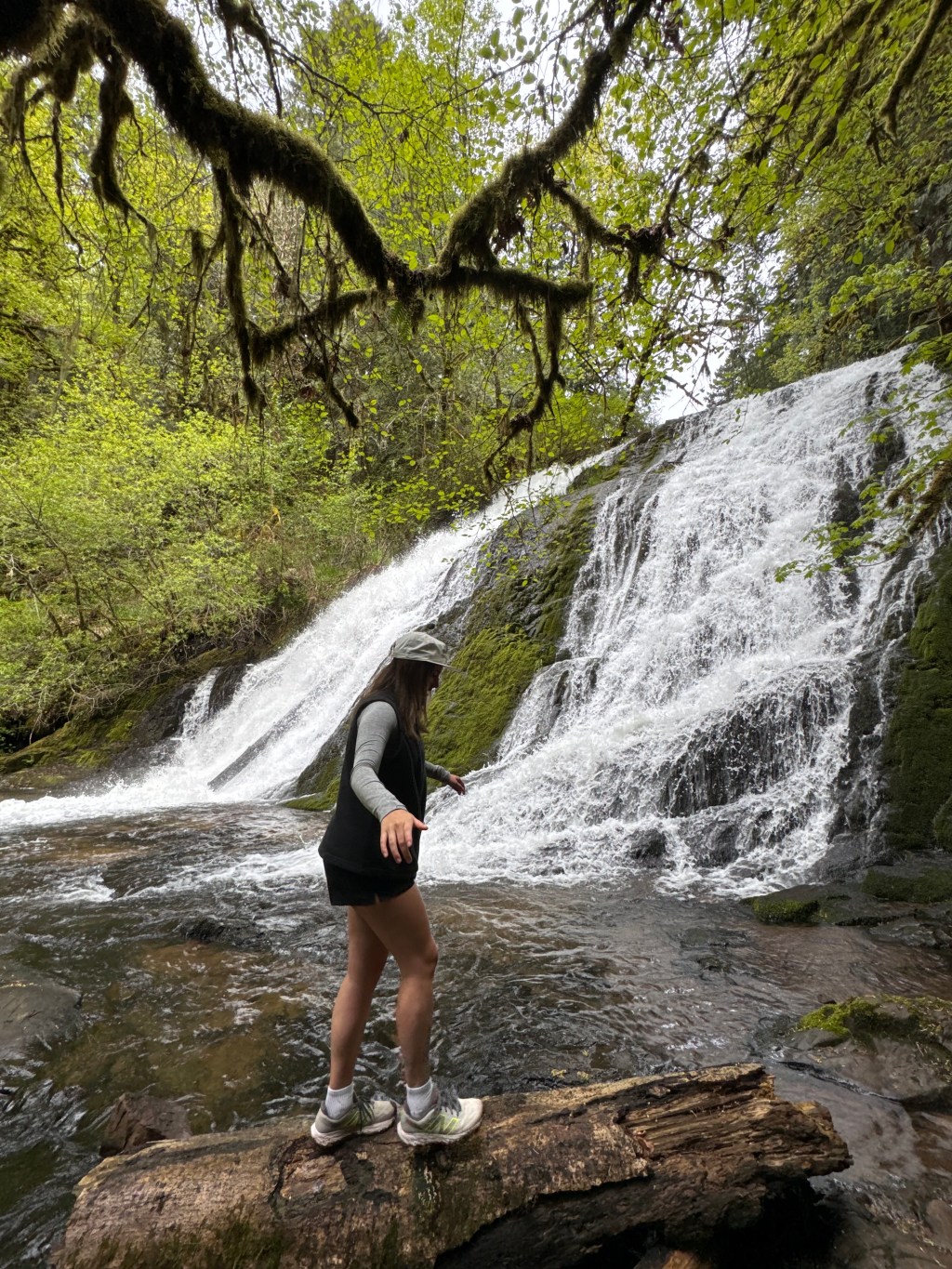
Whether you’re heading out alone or with friends, being prepared is one of the most important parts of hiking. With unpredictable weather, rugged terrain and remote trails that don’t always have cell service, even short hikes can turn into serious situations without the proper planning. As someone that has grown up as a Girl Scout, I learned early on that outdoor preparedness is a very important skill to learn that is often overlooked. Through my process of learning the ins and outs of hiking, I have found that having a few safety essentials and knowing what to expect can make every hike more enjoyable and a lot less stressful.
Here’s what I’ve learned about packing smart as an occasional solo hiker:
Pack the Ten Essentials
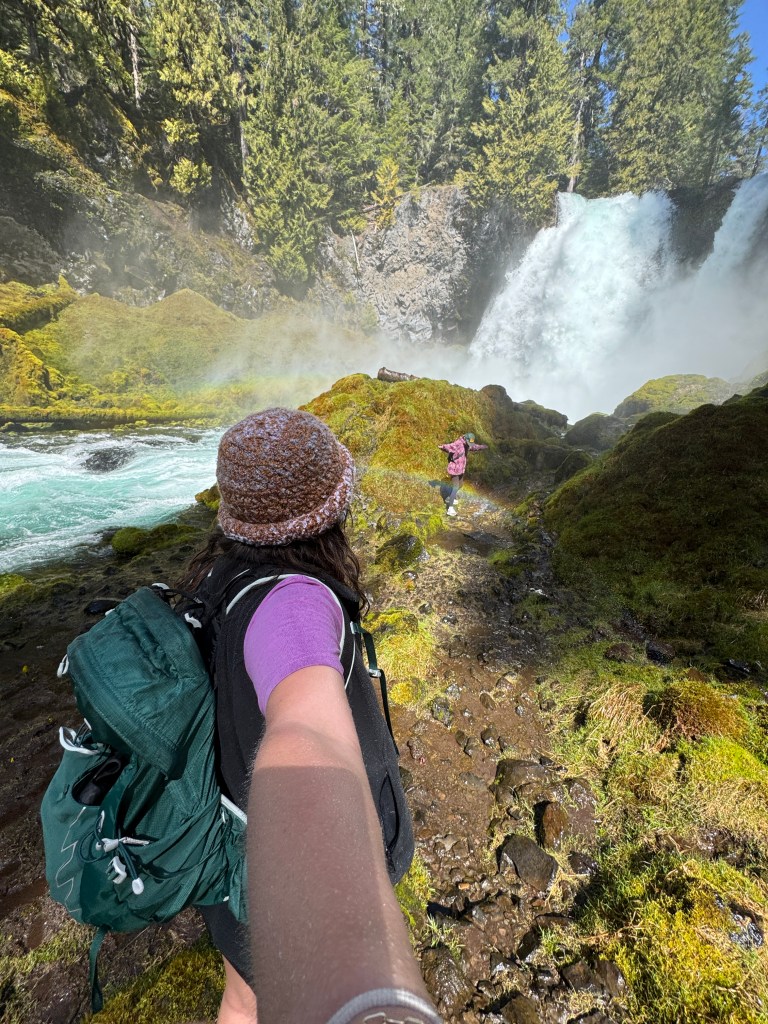
Even if you’re only heading out for a short day hike, you should know what the ten essentials are. They’re the foundation of safe hiking, especially in remote or unpredictable areas. Carrying a small backpack is always a good idea to ensure that you are always prepared with at least some extra water and food. It’s not just gear, it helps to create peace of mind while outside and under potential unpredictable circumstances. I use the Osprey Tempest 20 as my day pack and it fits all of my ten essentials perfectly.
- Navigation – A map, compass or GPS. Download offline maps beforehand if you are going to a more remote area.
- Headlamp – In case you end up being outside in the dark.
- Sun protection – SPF sunscreen, sunglasses and a hat.
- First-aid supplies – Mini kit with bandages, blister pads, antiseptic wipes, tweezers and personal meds and pack it in a resealable bag
- Knife or multitool – Small folding knife or keychain-size multitool
- Fire – Lighter or matches that are preferably waterproof.
- Emergency shelter – A lightweight space blanket or bivy.
- Extra food – High-calorie snacks like trail mix, a protein bar, or dried fruit. Keep at least 100–200 extra calories beyond what you expect to eat.
- Extra water – And maybe a filter or tablets. Some daypacks have refillable bladders that can be inserted into the back of the bag so that you don’t have to fish a bottle out of your pack every time you need water.
- Extra clothing – Always bring layers. Weather can shift quickly (especially in the Pacific Northwest!).
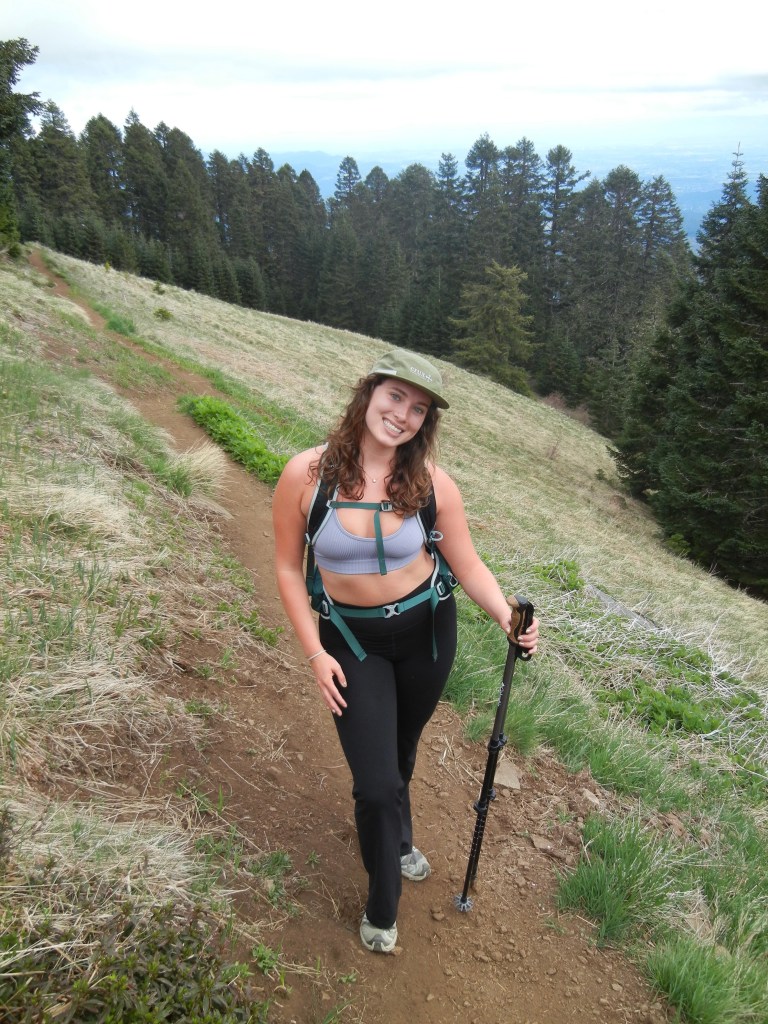
In my personal pack, I always carry a pair of telescopic hiking poles with me because I prefer to use them while on any trail I go on. I also like to bring micro-spikes for winter hikes in case there is any unsuspected ice on the trails.
Basic Trail Safety Tips
- Tell someone your plan. Share your trail name, route and estimated return time with a friend.
- Check trail conditions. I use the All Trails app or website for recent trip reports. I also like to use All Trails to follow the trails. While the trail map isn’t always 100% accurate, it can help to guide you in the right direction and to see where trails are leading if they are not well maintained.
- Watch the weather. Storms and temperature swings can happen fast. Keep an eye on the sky and any clouds in the sky, especially in the fall and winter seasons.
- Stay on the trail. It’s easy to get disoriented off-route, and most of the more well-known trails in the Pacific Northwest are well-maintained. It can also harm the wildlife if you are not on the designated path.
- Know your limits. Start with easy hikes if you are a beginner hiker. Read trail reviews on All Trails and always prioritize your health over a challenging trail.
Final Thoughts
Hiking can be a very peaceful and meditative experience. When you prepare properly, it helps to keep yourself and other hikers safe, and is also incredibly freeing. The more you hike, the more confidence you’ll build with being able to do longer and more challenging trails. Starting off on easier trails and being prepared are two of the best ways to start building confidence. Throughout the next few weeks, I will continue to expand on what gear is appropriate to wear based on the season, what my favorite trail playlists are, and much more!
 Kayla Magura's Blog
Leave a comment